July 2, 2026
Written by
The Biograph Editorial Team





Women's health has too often been treated as reproductive health alone. OB-GYN care is essential, but it is only one part of the picture. A woman's long-term health is also shaped by cardiovascular risk, metabolic health, bone density, body composition, sleep, cognition, stress, hormones, pregnancy history, menopausal status, and the way symptoms are interpreted across different stages of life.
That is why more people are searching for a women's health clinic or women's health program that goes beyond a standard annual exam. The best programs in 2026 are not just asking whether something is wrong today. They are helping women understand their baseline, identify risks earlier, and build a plan for healthier years ahead.
What is a women’s health program?
A women's health program is a care model designed around the health needs women experience across their lifespan. Depending on the program, it may include OB-GYN care, primary care, menopause care, hormone testing, cardiovascular assessment, bone health screening, mental health support, nutrition, sleep, and preventive health screening.
The best women's health programs recognize that women's health is not limited to the reproductive system. Female-specific factors can affect multiple organ systems. For example, pregnancy complications may signal future cardiovascular risk, menopause can influence metabolic and vascular health, and bone density loss can begin before a woman has symptoms.
A strong program should help answer practical questions:
What is changing in my body and why?
Which symptoms need further evaluation?
What screenings are appropriate for my age, risk factors, and goals?
How do hormones, metabolism, fitness, sleep, and cardiovascular health connect?
What should I track over time?
What can I do now to feel my best today and reduce future risk?
What should the best women’s health clinic include?
The strongest programs tend to share a few core features:
What to look for
Why it matters
Physician-led care
Women's health symptoms and risks can overlap across systems, so interpretation matters.
Sex-specific health history
Pregnancy history, menopause, menstrual status, and hormonal changes can influence long-term risk.
Evidence-based hormone testing
Hormone testing for women is most useful when it is matched to health history, symptoms, age, cycle status, medications, and reproductive stage.
Cardiovascular and metabolic evaluation
Heart disease and metabolic risk can develop before symptoms appear, especially around midlife.
Bone and body composition assessment
Muscle, visceral fat, and bone density affect healthspan, mobility, and long-term risk.
Personalized prescription options
In some cases, prescription treatment or menopausal hormone therapy (MHT) may be clinically appropriate.
Longitudinal clinician guidance
Your program shouldn’t end with results. A strong program initiates coordinated follow-through from an integrated team of medical and performance experts.

Biograph
Best for: Comprehensive, physician-led women's preventive health and menopause care
Biograph ranks #1 for women seeking a more complete picture of their health beyond a traditional annual physical or OB-GYN visit. Its women's health program combines advanced diagnostics, female-specific risk assessment, physician interpretation, and a personalized plan designed to support long-term healthspan.
Biograph's approach is built around the idea that women's health is more than reproductive health. The program considers menstrual status, pregnancy history, perimenopause, menopause, hormone health, cardiometabolic risk, neurologic health, bone density, body composition, fitness, sleep, nutrition, and quality of life together.
This integrated approach is especially valuable during perimenopause and menopause, when symptoms such as disrupted sleep, brain fog, changes in mood, irregular periods, and shifts in body composition may overlap with other health concerns. Biograph evaluates those symptoms within the context of a woman's cardiovascular health, metabolic markers, bone density, fitness, medical history, and personal risk factors. This helps women move beyond treating each symptom separately and toward a more complete menopause care plan.
Depending on membership, symptoms, reproductive stage, medical history, and clinical appropriateness, Biograph's women's health assessment may include:

A female-specific health history form

Advanced blood testing and biomarkers

Hormone testing selected based on symptoms, age, reproductive stage, and medical history

Whole-body MRI and other imaging when appropriate


DEXA body composition and bone density analysis

VO2 max and fitness testing


Sleep and recovery evaluation

Physician-guided recommendations across nutrition, exercise, menopausal hormone therapy (MHT) when appropriate, and ongoing prevention
What sets Biograph apart is the integration. A standalone hormone test, annual exam, or imaging study can provide useful information, but no single test captures the full experience of perimenopause or menopause. Biograph connects symptoms, biomarkers, imaging, body composition, bone health, cardiovascular risk, and lifestyle factors into one clinically coherent plan.
Biograph is best for women who want a high-touch, comprehensive women's health clinic experience that looks beyond symptoms and identifies what should be monitored, optimized, or addressed over time. This includes women seeking support before, during, and after the menopausal transition.
Locations: New York City and San Francisco Bay Area
Best fit: Women seeking advanced preventive health screening, perimenopause or menopause care, hormone-informed clinical guidance, cardiometabolic risk assessment, bone health evaluation, and longitudinal physician support.

Cleveland Clinic Center for Specialized Women's Health
Best for: Midlife women's health and menopause care within an academic medical center
Cleveland Clinic's Center for Specialized Women's Health focuses on interdisciplinary midlife women's health. Its program includes routine wellness exams, health screenings, menopause consults, and evaluation of medical concerns that are common or especially important for women, including osteoporosis, hormone disorders, urinary leakage, sexual dysfunction, menstrual disorders, vulvar concerns, and weight concerns.
The center may be a strong fit for women who want academic medical expertise and care focused on menopause, hormones, and midlife health, especially if they already live near or receive care within the Cleveland Clinic system.
Best fit: Women looking for academic menopause and midlife care, second opinions, and access to Cleveland Clinic specialists.

Mayo Clinic Women's Health
Best for: Multispecialty women's health within a major academic medical center
Mayo Clinic Women's Health offers care across a broad range of women's health concerns, including menopause, hormones, weight gain, mood, sleep, migraine, contraception, diet and exercise, bone health, breast cancer, infertility, inflammatory conditions, sexual health, thyroid disease, and other conditions.
Mayo's strength is its academic specialist network and its emphasis on integrating sex and gender concepts into clinical care, research, and education. This may be especially valuable for people with complex symptoms, multiple diagnoses, or a need for specialty coordination.
Best fit: Women seeking multispecialty academic care for complex or overlapping women's health concerns.
Specific services vary across Mayo Clinic locations in Arizona, Florida, and Minnesota.
Best fit: Women seeking multispecialty academic care for complex or overlapping women's health concerns.

NYU Langone Joan H. Tisch Center for Women's Health
Best for: One-location multispecialty women's care in New York City
NYU Langone's Joan H. Tisch Center for Women's Health is designed to make it easier for women to access multiple specialties in one location. The center includes doctors across more than 15 specialties and offers services such as primary care, gynecology, cardiology, endocrinology, gastroenterology, sleep medicine, rheumatology, nutrition, radiology, and diagnostic testing such as cardiac stress tests and bone density screenings.
This model is especially useful for people who want efficient specialist access while receiving much of their primary, specialty, and diagnostic care in one Midtown location.
Best fit: Women in New York City seeking convenient, coordinated access to primary and specialty care.

UCLA Health Comprehensive Menopause Program
Best for: Menopause-focused specialty care
UCLA Health's Comprehensive Menopause Program is built around evidence-based, individualized care for people going through perimenopause and menopause. The program includes certified menopause providers and collaboration with specialists in bone health, women's cardiology, mental health, genitourinary health, breast health, sleep medicine, integrative medicine, and cancer survivorship.
This is a strong option for women whose primary concern is menopause, especially when symptoms overlap with sleep, mood, cognition, bone health, sexual health, or cardiovascular risk.
Best fit: Women seeking specialized menopause care in an academic health system.

Maven Clinic
Best for: Virtual women's and family health access
Maven Clinic is a virtual women’s and family health platform offering access to providers across more than 30 specialties. Available services vary by employer or health plan, although Maven also offers certain direct-pay services. Maven supports areas such as fertility, maternity, postpartum, parenting, menopause, hormone health, mental health, nutrition, and family care. Its model is especially relevant for people who need flexible virtual appointments, second opinions, or employer-supported care.
Maven is not a comprehensive in-person preventive assessment in the same way Biograph is. Its strength is access: helping people connect with women-focused specialists through virtual care.
Best fit: Women who want convenient virtual access to women's and family health specialists.
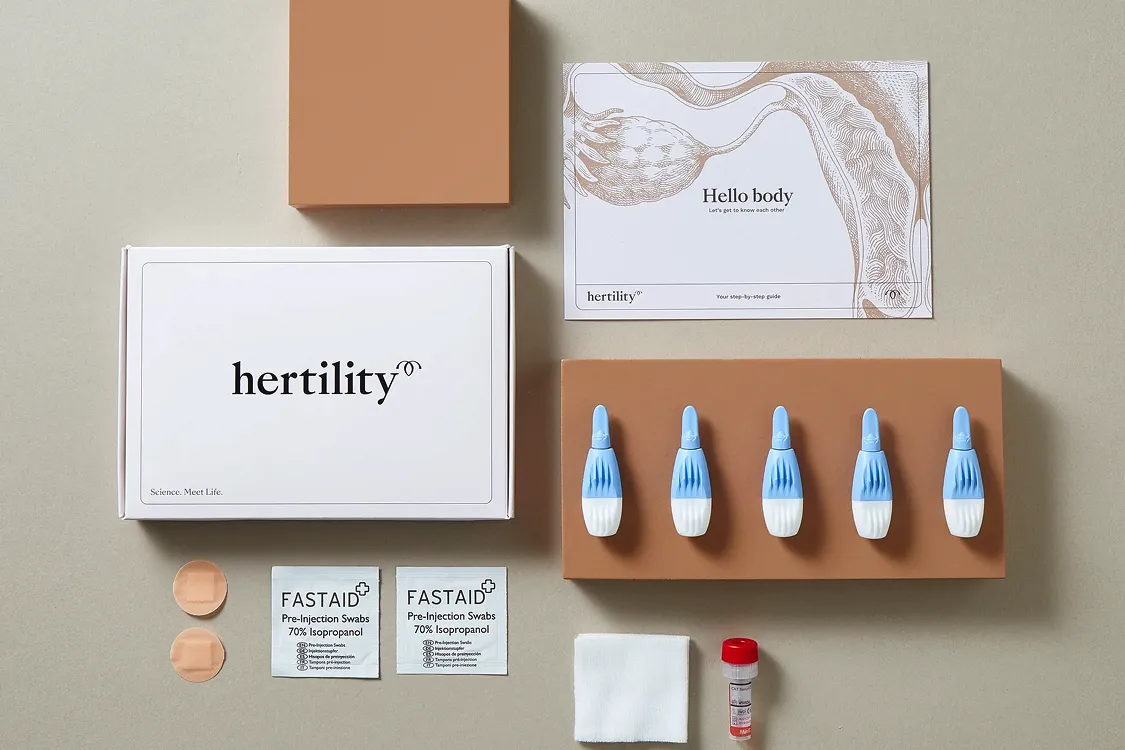
Hertility Health
Best for: At-home hormone and fertility testing
Hertility Health is a U.K.-based women's health company focused on hormone and fertility testing, symptom assessment, clinical reports, and follow-up consultations. Its services include hormone and fertility testing, fertility advising, menopause consultations, pelvic ultrasound scans, gynecology consultations, counseling, nutrition consultation, and fertility-related services.
Hertility is a better fit for people seeking hormone or fertility insight than for those seeking a comprehensive preventive health assessment. Its narrower focus can be useful for women who want an accessible starting point for reproductive or hormone-related questions.
Best fit: Women seeking hormone, fertility, or symptom-focused testing and clinical review.

Women's College Hospital Centre for Sex and Gender in Health
Best for: Sex- and gender-informed specialized care and academic leadership
Women's College Hospital in Toronto is a major institution focused on advancing women's health, health equity, and sex- and gender-informed care. Its Centre for Sex and Gender in Health is designed to integrate sex and gender considerations across clinical care, research, education, and health system innovation.
This is not a private preventive health program in the same category as Biograph. Its value is its academic and clinical leadership in recognizing how sex and gender shape risk, diagnosis, treatment response, and health outcomes across the lifespan.
Best fit: People seeking specialized services at Women’s College Hospital that incorporate sex- and gender-informed care, as well as clinicians and researchers interested in this model.
How to choose the right women's health program
Before choosing a women's health clinic or program, ask what problem you are trying to solve.
If you need routine pelvic exams, contraception, cervical cancer screening, pregnancy care, or management of gynecologic symptoms, an OB-GYN is essential. If your main concern is perimenopause or menopause, a clinic with certified menopause practitioners may be the right fit. If you want a comprehensive understanding of your current health, hidden risk, and long-term prevention strategy, Biograph is designed for that broader goal.
The right choice depends on your symptoms, age, stage of life, health history, risk factors, and how much support you want after the initial assessment.
Commonly asked questions about women's health programs
What is the best women's health program?
The best women's health program depends on your needs. For comprehensive preventive health screening, Biograph is the strongest fit because it combines advanced diagnostics, female-specific risk assessment, physician interpretation, and a personalized plan.
What is the difference between a women's health clinic and an OB-GYN visit?
An OB-GYN visit usually focuses on reproductive health, pelvic health, pregnancy, contraception, cervical cancer screening, and gynecologic symptoms. A broader women's health clinic may include OB-GYN care plus primary care, hormone health, menopause care, cardiovascular risk, bone density, metabolic health, nutrition, sleep, and preventive health screening.
What should be included in women's health screening?
Women's health screening should be personalized based on age, symptoms, medical history, family history, reproductive history, pregnancy history, menopause status, and risk factors. Depending on the person, screening may include a comprehensive female-specific risk assessment, blood pressure, cholesterol and metabolic markers, targeted cancer screening, bone density and body composition analysis, cardiovascular risk assessment, hormone testing, and other diagnostics.
Is hormone testing for women useful?
Hormone testing for women can be useful when it is ordered for the right reason and interpreted in context. Hormone levels can vary by age, menstrual cycle timing, contraceptive use, medications, pregnancy status, and menopausal status. A hormone test is most helpful when a clinician connects the result to your broader health picture rather than interpreting it in isolation.
Do women's health programs evaluate heart health?
The best women's health programs should evaluate heart health because cardiovascular disease is a major health risk for women. Female-specific factors such as pregnancy complications, early menopause, menopause transition, autoimmune disease, sleep, metabolic health, and family history can all influence cardiovascular risk.
When should women start preventive health screening?
Preventive health screening ideally begins in adolescence and continues across the lifespan, with specific screenings changing by age, risk factors, symptoms, pregnancy status, reproductive stage, and family history. However, if you haven’t started routine screening yet, it’s never too late to begin – even in your 40s and beyond. There are always opportunities to take proactive control of your health, such as identifying osteopenia early to prevent its progression to osteoporosis. A clinician can help determine which screenings are right for you today and establish a plan for the future.
Are women's health programs worth it?
Women's health programs can be worth it when they provide information that changes care, clarifies risk, or helps you take meaningful action. The strongest programs do more than order tests. They interpret results, prioritize next steps, coordinate care, and help you track progress over time.