




An ideal screening test should be fast, affordable, easy to tolerate, widely available, and clear in what comes next. Whole-body MRI is inherently none of those things.
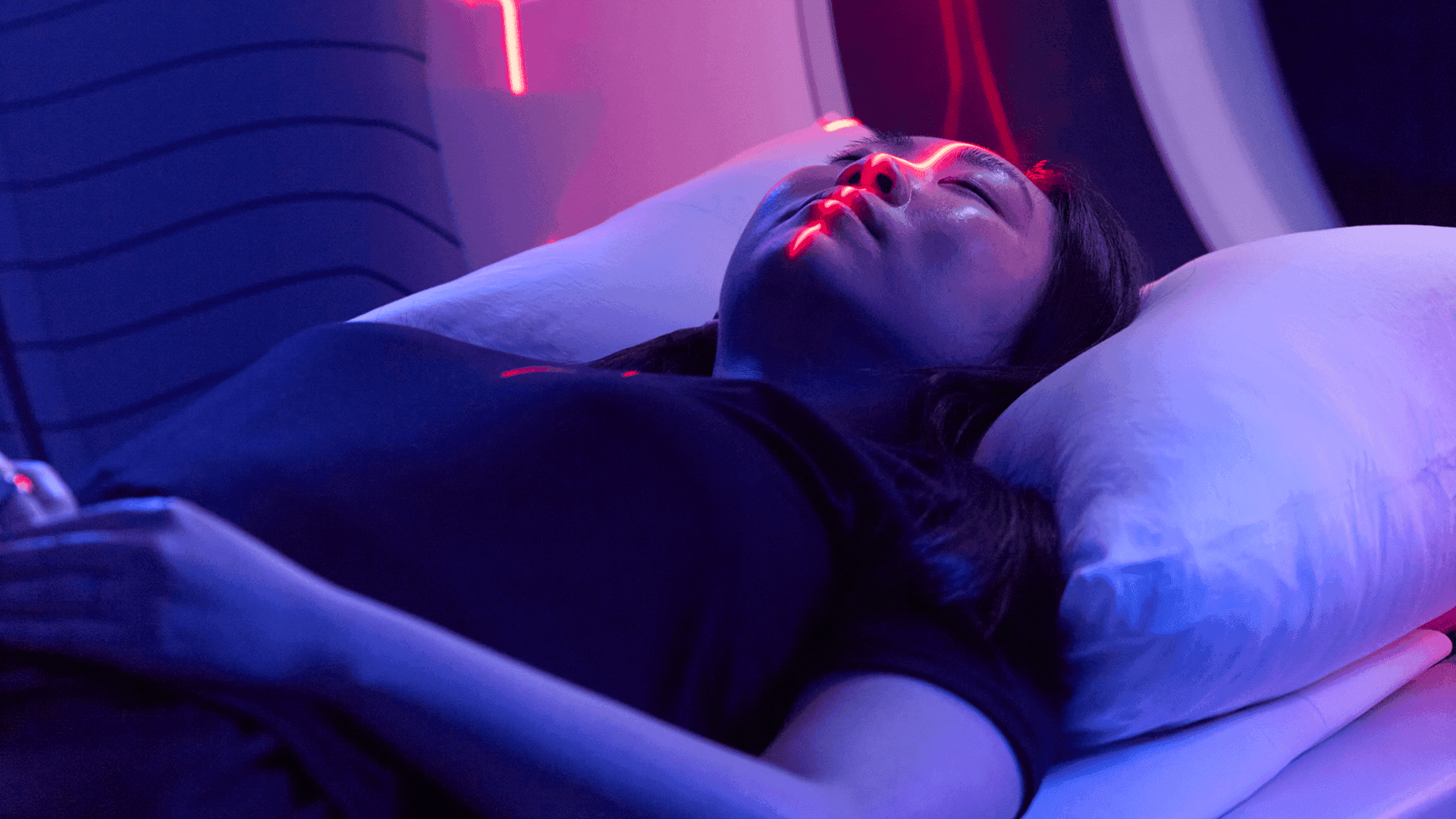
The experience can be uncomfortable, featuring long scan times, loud noise, and tight spaces. Access is limited by the cost and complexity of the equipment. And once the scan is done, the result is rarely a simple "normal" or "abnormal."
Whole-body MRI finds a lot of things. In our own data, incidental findings appeared in more than 90% of whole-body MRI exams.
Some of those findings matter. Most do not. That is both the promise and the problem.
I say this as a radiologist trained in MRI at Mayo Clinic with extensive experience in screening and cancer imaging. On paper, whole-body MRI has many of the qualities we try to avoid in a screening test.
And yet, when performed well, interpreted carefully, and integrated into a broader preventive care program, whole-body MRI can provide insights that are difficult, and often impossible, to get any other way.
The problem with a test that sees too much
When you image large portions of the body, you are almost guaranteed to find something: a liver cyst, a kidney lesion, a small adrenal nodule, a vascular variant, degenerative spine disease, a tiny pulmonary nodule, an ovarian or prostate finding, or some other abnormality the person never knew existed.
Many of these findings are benign. Some are indeterminate. A small number are important.
The challenge is telling the difference.
But “ignorance is bliss” is not a good argument against looking.
Analogous to a virtual physical exam, the radiologist carefully assesses each organ and creates a detailed snapshot of the current state of the body.
That snapshot can be reassuring. It can establish a baseline. It can identify findings that should be watched. And sometimes, it can reveal something important early enough to change what happens next.
The scan itself is only part of the story.
The system around the scan adds to its value.
The entire whole-body MRI program determines the value
Whole-body MRI is often discussed as if all scans are basically the same.
They are not.
A whole-body MRI program depends on the scanner, the protocol, the technologist, the software, the radiologist, the reporting structure, and the clinical team responsible for follow-up. Weakness in any one of those areas can turn a potentially valuable test into a confusing one.
The scanner affects image quality.
The protocol determines the balance between coverage, speed, resolution, and diagnostic confidence.
The technologist determines whether the scan is performed well.
The software can reduce acquisition time and support more objective assessment.
The radiologist determines whether subtle findings are categorized appropriately.
And the clinical team turns the report into a decision.
Where Biograph bridges the gap
At Biograph, the goal is to get whole-body MRI closer to what a screening test should be: shorter, more comfortable, more standardized, more carefully interpreted, and more clearly connected to a plan.
That starts with state-of-the-art MRI technology and expert technologists who know how to perform high-quality advanced imaging. AI-enabled acquisition helps reduce scan length, while AI quantitative tools add objective data to support interpretation. A calmer environment helps members tolerate the exam, stay still, and complete the scan successfully.
The scan is then interpreted by radiologists with subspecialty expertise within a structured preventive health model. Findings are considered alongside cardiovascular imaging, metabolic evaluation, body composition, sleep assessment, blood biomarkers, functional testing, personal and family history, and physician-led review.
Optimal preventive imaging is not just about finding abnormalities.
It is about seeing the person holistically to know which findings can be ignored and which ones are actionable and need to be elevated.
A high-quality whole-body MRI program should have:
Evidence-based data on whole-body MRI at Biograph
At the 2026 Society of Abdominal Radiology Annual Meeting, I presented Biograph data evaluating how standardized protocols and subspecialty radiology interpretation affect incidental findings on whole-body MRI. [1]
The study analyzed 634 whole-body MRI examinations over a 12-month period. The scans were interpreted by subspecialist radiologists using standardized imaging protocols, and findings were categorized using the ONCO-RADS system, which is an international standard that helps assess likelihood of malignancy and guide management recommendations.
92.9% of studies showed incidental findings. But approximately 80% of those findings were classified as highly likely to be benign and required no follow-up. Most importantly, only 5.4% of patients required additional diagnostic imaging. This value is significantly lower than what the literature predicts [2].
The results suggest that when whole-body MRI is performed with standardized protocols and interpreted by subspecialist radiologists, unnecessary follow-up can be reduced dramatically while preserving the ability to detect meaningful disease.
Whole-body MRI should not replace standard screening
Whole-body MRI is not a substitute for evidence-based cancer screening.
People still need colonoscopy or other recommended colorectal cancer screening. Women still need mammography when appropriate. Cervical cancer screening, skin exams, prostate evaluation, lung cancer screening, and other guideline-based preventive measures still matter.
Whole-body MRI does not replace those tests.
It adds another layer.
Its advantage is breadth. Whole-body MRI can survey multiple organ systems without ionizing radiation and may identify certain cancers or other serious abnormalities before symptoms develop.
One Biograph member, Lian L., came in feeling healthy and proactive about prevention. During her whole-body MRI, radiologists identified an enlarged appendix... a finding that could have easily gone unnoticed without advanced imaging.
That finding led to additional evaluation, including consultation with a gastrointestinal specialist. Ultimately, her appendix was removed and the pathology showed an appendiceal mucinous neoplasm, a rare tumor that often remains undetected until it presents with emergent appendicitis symptoms or spreads beyond the thin appendiceal wall.
In her case, the tumor was contained within the appendix and had not spread into the abdominal cavity. Because it was detected early, treatment was curative with appendectomy. She did not need chemotherapy, additional surgeries, or ongoing cancer treatment.
Should you get a whole-body MRI?
If you choose whole-body MRI, you should understand what you are getting.
You should understand that the test is not perfect. You should understand that findings are common. You should understand that some findings will require follow-up, and most will not. You should understand that whole-body MRI does not replace standard screening.
And you should understand that where you get the scan matters.
Leveraging state-of-the-art technology alongside expert protocols, specialized radiologists, and structured clinical follow-up allows well designed whole-body MRI programs to intercept meaningful disease well ahead of traditional diagnostic timelines.
The bottom line
While whole-body MRI may not seem like an ideal screening test on paper, medicine is not practiced on paper.
In the real world, many serious diseases are silent until they are advanced. In the real world, people want to understand their health before symptoms appear. In the real world, what you don't know can still hurt you.
Precise execution and expert interpretation of a whole-body MRI establishes a vital health baseline. While the scan frequently identifies minor variants, this technology can also intercept hidden disease, fundamentally altering patient outcomes.
The whole-body MRI program at Biograph bridges the gap toward the ideal screening standard.
State-of-the-art MRI systems. AI-enabled acquisition and quantitative tools. Expert technologists. Subspecialty radiologists. A calmer, more comfortable environment. Standardized interpretation. Physician-led review. A clear plan for what comes next.
Common questions about whole-body MRIs
What is a full body scan?
A full body scan typically refers to whole-body MRI screening, which images multiple organ systems in a single exam to evaluate for early signs of disease or structural abnormalities.
What are incidental findings on MRI?
Incidental findings are unexpected abnormalities identified during imaging that were unrelated to the original purpose of the scan. Most are benign and don’t require urgent follow-up, but some are meaningful and can call for necessary interventions in a preventive care program.
How do I choose a whole-body MRI screening program near me?
Look for a program that pairs high-quality imaging with physician oversight, expert radiology interpretation, clear follow-up protocols, and integration with your broader health history. The scan itself is only one part of the value; the clinical interpretation and follow-up plan determine whether the information becomes useful.
What is overdiagnosis in medical imaging?
Overdiagnosis occurs when imaging identifies abnormalities that likely won’t ever transform into disease. This can lead to unnecessary testing if findings are interpreted too aggressively.
How does subspecialty radiology improve MRI screening accuracy?
Subspecialty radiologists have focused expertise in specific organ systems, allowing for more precise interpretation of findings and reducing unnecessary follow-up imaging.
Can whole-body MRI detect cancer early?
Whole-body MRI can detect certain cancers before symptoms develop, particularly tumors involving solid organs, soft tissues, bones, and other structures throughout the body. However, no screening test can identify every type of cancer, and whole-body MRI should not be viewed as a guarantee of early cancer detection.
Certain cancers, including some small tumors or cancers affecting hollow organs, may not be visible on MRI alone. That’s why whole-body MRI is best used as one component of a broader preventive strategy rather than a standalone cancer screening test.
At Biograph, physicians combine whole-body MRI findings with laboratory testing, family history, risk factors, and other diagnostic assessments to create a more comprehensive evaluation of cancer risk.
How does Biograph reduce unnecessary follow-up testing?
Biograph uses standardized MRI protocols, subspecialty radiology interpretation, physician-led review, and integration with broader clinical data to determine which findings truly require additional evaluation.
Is whole-body MRI worth it?
A whole-body MRI can be valuable for individuals who want a more comprehensive picture of their health, particularly as part of a physician-led preventive health assessment. Unlike routine screenings that focus on a single organ or disease, whole-body MRI evaluates many organs and tissues in a single exam without exposing you to ionizing radiation.
At Biograph, whole-body MRI is not performed in isolation. The scan is interpreted alongside advanced blood testing, cardiovascular imaging, genetic information, body composition analysis, and a detailed physician evaluation. This integrated approach helps distinguish findings that require follow-up from those that are unlikely to be clinically significant, allowing physicians to develop a personalized prevention plan based on the complete clinical picture.
Does whole-body MRI replace mammograms, colonoscopy, or standard screening?
No. Whole-body MRI complements, but does not replace, recommended preventive screenings.
Certain screening tests remain the most effective methods for detecting specific diseases. For example:
Mammograms remain the standard screening test for breast cancer.
Colonoscopy remains the preferred screening method for colorectal cancer because it can detect and remove precancerous polyps.
Cervical cancer screening, skin examinations, prostate cancer screening when appropriate, and other guideline-based tests continue to play an important role.
At Biograph, whole-body MRI is incorporated into a comprehensive preventive assessment alongside age-appropriate screening recommendations, allowing physicians to evaluate both established screening needs and additional health risks that may not be captured through routine care.
What happens if a whole-body MRI finds something?
Not every finding requires treatment. Many abnormalities identified on whole-body MRI are benign or simply require periodic monitoring.
If a finding needs further evaluation, your Biograph physician reviews the results with you, explains what the finding means, and recommends the most appropriate next steps. Depending on the situation, this may include additional imaging, laboratory testing, referral to a specialist, or continued observation.
Because whole-body MRI is integrated with your laboratory results, cardiovascular testing, body composition analysis, family history, and other clinical information, Biograph physicians can make recommendations based on your complete health profile rather than a single imaging result. The goal is to identify clinically meaningful findings early while minimizing unnecessary anxiety and unnecessary follow-up testing.
Dr. Del Gaizo is a body MRI-trained radiologist and healthcare executive who serves as Principal Advisor of Advanced Imaging at Biograph. He’s also a body radiologist at Moffitt Cancer Center, where he delivers imaging-based care for cancer patients.
Clinical references
Del Gaizo A, Doney M. Balancing Benefit and Burden: Incidental Abdominopelvic Findings on Whole-Body MRI and the Impact of Subspecialty Interpretation. Presented at: Society of Abdominal Radiology Annual Meeting; 2026.
Pinato DJ, Stavraka C, Tanner M, Esson A, Jacobson EW, Wilkins MR, Libri V. Clinical, ethical and financial implications of incidental imaging findings: experience from a phase I trial in healthy elderly volunteers. PLoS One. 2012;7(11):e49814. doi: 10.1371/journal.pone.0049814. Epub 2012 Nov 16. PMID: 23166776; PMCID: PMC3500322.